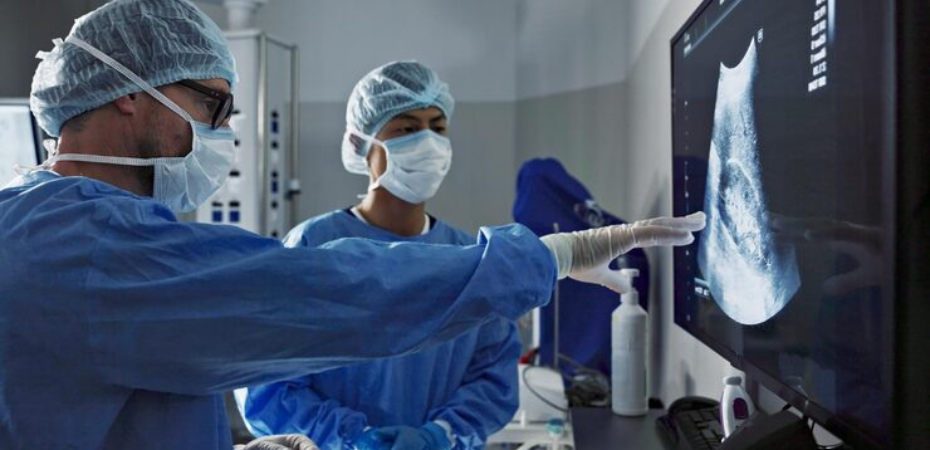
Unilateral Biportal Endoscopic (UBE) spine surgery is an advanced, minimally invasive technique used to treat various spinal conditions such as slipped disc, spinal stenosis, and nerve compression. This modern approach uses two small portals (incisions)—one for a high-definition camera (endoscope) and the other for specialized surgical instruments—allowing the surgeon to operate with exceptional clarity and precision.
In India, this technique has been adopted and refined by leading spine specialists like Dr. Gaurav Bansal, offering patients a safer and more efficient alternative to traditional open spine surgery.
How UBE Surgery Works
Two tiny incisions (usually less than 1 cm each) are made near the affected area.
One portal is used to insert a camera that provides a magnified, real-time view of the spine.
The second portal is used to insert surgical instruments to remove the cause of nerve compression (such as disc fragments or bone overgrowth).
Continuous saline irrigation keeps the surgical field clear, improving visibility and reducing the risk of tissue damage.
This biportal approach allows greater flexibility and accuracy compared to single-port endoscopic techniques.
Conditions Treated with UBE
Slip disc (herniated disc)
Spinal stenosis
Sciatica and nerve compression
Degenerative spine disorders
Key Benefits
Minimal muscle damage:
Muscles are gently separated rather than cut, preserving natural structures.Reduced blood loss:
The technique is precise and controlled, minimizing surgical trauma.Faster recovery:
Patients can often walk within hours and return to daily activities sooner.Less post-operative pain:
Smaller incisions and minimal tissue disruption lead to reduced discomfort.Shorter hospital stay:
Many patients are discharged within 24–48 hours.
Recovery & Outcomes
Early mobilization and quicker return to routine life
Lower risk of complications compared to open surgery
Excellent pain relief and nerve decompression
Minimal scarring due to tiny incisions
Why Choose UBE?
UBE spine surgery represents a significant advancement in spinal care by combining the effectiveness of traditional surgery with the advantages of minimally invasive techniques. It allows surgeons to treat complex spinal problems with greater precision while ensuring maximum patient comfort and faster healing.
This technique is particularly beneficial for patients seeking effective treatment with minimal downtime, making it one of the most preferred modern solutions in spine surgery today.