Spinal trauma refers to injuries to the spine caused by accidents such as road traffic collisions, falls from height, sports injuries, or direct impact. These injuries can range from minor fractures to severe damage involving the spinal cord, making early diagnosis and immediate management critical to prevent long-term complications, including paralysis.
Dr. Bansal specializes in rapid assessment and advanced treatment of spinal injuries, focusing on stabilizing the spine, protecting neurological function, and promoting safe recovery.
Common Types of Spinal Injuries
Compression fractures:
Collapse of a vertebra, often due to high-impact trauma or weakened bones.Burst fractures:
A more severe form where the vertebra breaks into multiple fragments, which may compress the spinal cord.Fracture-dislocation:
A combination of bone fracture and displacement, leading to severe instability.Spinal cord injury:
Damage to the spinal cord that may result in partial or complete loss of movement and sensation below the injury level.
Common Symptoms
Severe back or neck pain:
Sudden and intense pain following an injury.Numbness or tingling:
Sensory changes in arms, legs, or body.Weakness or paralysis:
Difficulty moving limbs or complete loss of function in severe cases.Loss of bladder or bowel control:
Indicates possible spinal cord involvement and requires urgent attention.Visible deformity or inability to move:
Suggests instability or serious structural damage.
Emergency Importance
Spinal trauma is a medical emergency. Improper handling or delay in treatment can worsen the injury. Immediate immobilization and expert evaluation are essential to prevent further damage to the spinal cord and surrounding nerves.
Treatment Approach
Dr. Bansal follows a structured and urgent care pathway:
1. Initial Stabilization
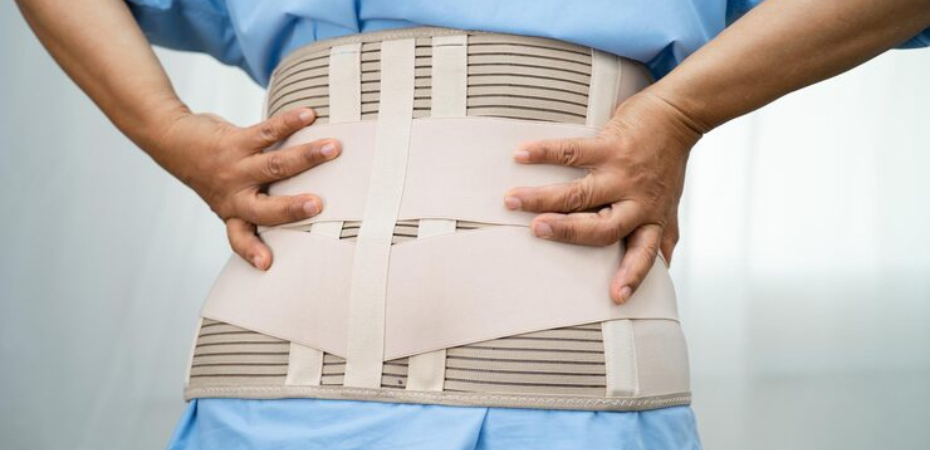
Immobilization using braces or supports
Pain management and monitoring of vital functions
Imaging (X-ray, CT scan, MRI) to assess the extent of injury
2. Non-Surgical Treatment (Selected Cases)
Bracing to allow fractures to heal naturally
Strict rest and gradual rehabilitation
Physiotherapy for recovery of strength and mobility
Suitable for stable fractures without neurological compromise.
3. Surgical Treatment (For Unstable or Severe Injuries)
When there is instability, deformity, or nerve compression, surgery is required.
Spinal fixation (instrumentation):
Use of screws, rods, or plates to stabilize the spine.Decompression surgery:
Removal of bone fragments or pressure on the spinal cord and nerves.Minimally invasive techniques (where feasible):
Reduced tissue damage, less blood loss, and faster recovery.Reconstruction procedures:
In complex injuries, restoring spinal alignment and structure.
Rehabilitation & Recovery
Early mobilization under medical supervision
Physiotherapy to regain strength and function
Long-term rehabilitation in cases with neurological injury
Expected Outcomes
Spinal stability restored:
Prevention of further injury or deformity.Protection of neurological function:
Early treatment helps preserve movement and sensation.Pain reduction:
Significant relief after stabilization.Improved recovery and mobility:
With proper rehabilitation, many patients return to daily activities.
Timely intervention is crucial in spinal trauma. With advanced surgical techniques and comprehensive rehabilitation, patients can achieve safer recovery and better long-term outcomes, even after serious spinal injuries.