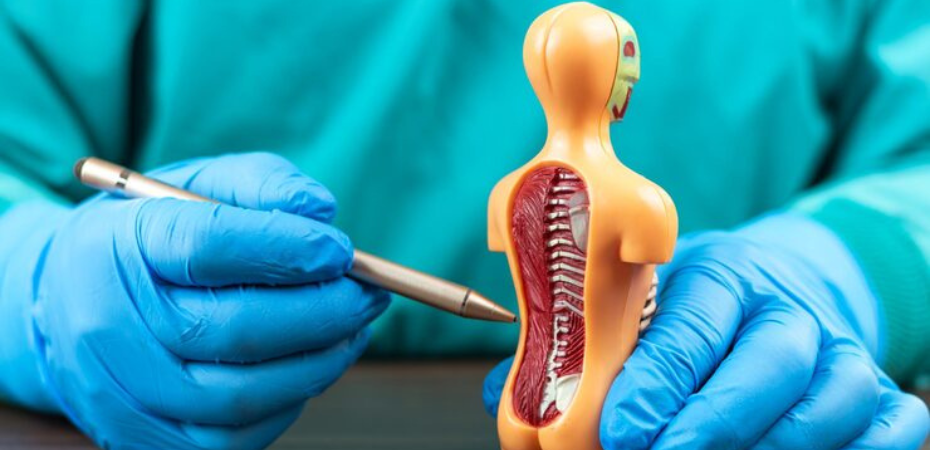
Spine tumors and infections are serious conditions that can affect the bones of the spine, spinal cord, and surrounding tissues. They may lead to pain, instability, and neurological complications if not treated in time. Early diagnosis and a multidisciplinary treatment approach are essential to preserve spinal function and overall health.
Dr. Bansal focuses on accurate evaluation and advanced treatment strategies that combine surgical expertise with comprehensive post-operative care to ensure the best possible outcomes.
Spine Tumors
Spinal tumors can be benign (non-cancerous) or malignant (cancerous). They may originate in the spine (primary tumors) or spread from other parts of the body (metastatic tumors).
Common Symptoms
Persistent back or neck pain, often worse at night
Unexplained weight loss or fatigue
Numbness, tingling, or weakness in limbs
Difficulty walking or maintaining balance
Loss of bladder or bowel control in advanced cases
Treatment Approach
Surgical removal:
Precise excision of the tumor to relieve pressure on the spinal cord and nerves.Spinal stabilization:
Use of implants (screws, rods) to maintain structural integrity after tumor removal.Adjunct therapies:
May include radiotherapy or chemotherapy depending on the type of tumor.Minimally invasive techniques (where possible):
Reduced recovery time and improved safety.
Spinal Infections
Spinal infections can involve the vertebrae, discs, or surrounding tissues. Common conditions include disc infections (discitis), bone infections (osteomyelitis), and spinal tuberculosis.
Common Symptoms
Severe, persistent back pain
Fever, chills, or signs of infection
Fatigue and general weakness
Local tenderness over the spine
Neurological symptoms if nerves are compressed
Treatment Approach for Infections
Targeted medications:
Long-term antibiotics or anti-tubercular therapy based on the cause of infection.Rest and spinal support:
Bracing may be used to limit movement and allow healing.Surgical intervention (if required):
Removal of infected tissue, drainage of abscess, and stabilization of the spine.
Post-Operative Care & Rehabilitation
Close monitoring to prevent recurrence
Pain management and wound care
Physiotherapy to restore strength and mobility
Regular follow-up with imaging and clinical evaluation
Expected Outcomes
Relief from pain and pressure:
Reduction in symptoms caused by tumor or infection.Preservation of neurological function:
Protecting movement, sensation, and coordination.Restored spinal stability:
Ensuring proper alignment and strength of the spine.Improved quality of life:
Enabling patients to return to daily activities safely.
Timely intervention plays a crucial role in managing spine tumors and infections. With advanced surgical techniques and comprehensive care, these complex conditions can be effectively treated while maintaining spinal integrity and function.