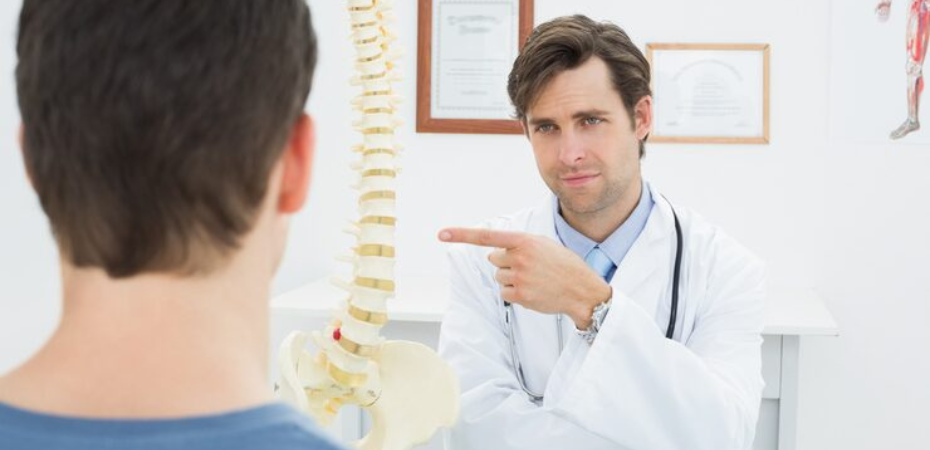
A slip disc, medically known as a herniated or prolapsed disc, occurs when the soft inner portion of a spinal disc pushes out through its outer layer. This can put pressure on nearby nerves, leading to pain, discomfort, and reduced mobility. It most commonly affects the lower back (lumbar spine) and is a major cause of sciatica.
Dr. Bansal adopts a personalized, step-by-step approach to treating slip disc, focusing first on non-surgical care and progressing to advanced minimally invasive procedures only when necessary. The goal is to relieve pain, restore function, and prevent recurrence.
Common Symptoms
Lower back pain:
This is usually the first symptom. It may range from a dull ache to severe, sharp pain, often worsening with bending, lifting, coughing, or prolonged sitting.Leg pain (sciatica):
When the herniated disc presses on a nerve root, pain can radiate from the lower back into the buttock and down one leg. This pain is often described as shooting or burning.Numbness or tingling:
Patients may experience a “pins and needles” sensation in the leg or foot, depending on which nerve is affected.Muscle weakness:
In some cases, nerve compression can lead to weakness in the leg muscles, affecting walking, balance, or the ability to lift the foot.Reduced flexibility and movement:
Pain and stiffness can limit normal movement, making everyday activities like sitting, standing, or walking uncomfortable.
Treatment Options
Dr. Bansal carefully evaluates the severity of the condition using clinical assessment and imaging before recommending treatment.
1. Medication & Physiotherapy (Conservative Management)
Pain-relieving medications and anti-inflammatory drugs help reduce discomfort.
Muscle relaxants may be prescribed to ease spasms.
Physiotherapy focuses on strengthening core muscles, improving posture, and increasing flexibility.
Lifestyle modifications, including ergonomic advice and activity correction, play a key role in recovery.
This approach is effective for a large percentage of patients.
2. Microdiscectomy (Minimally Invasive Surgery)
Recommended when conservative treatments fail or symptoms are severe.
A small portion of the herniated disc pressing on the nerve is removed.
Performed through a small incision with minimal damage to surrounding tissues.
Offers faster recovery, less pain after surgery, and shorter hospital stay.
3. Endoscopic Spine Surgery
An advanced, ultra-minimally invasive technique using a tiny camera (endoscope).
Allows precise removal of the disc fragment causing nerve compression.
Requires very small incisions, leading to minimal blood loss and quicker healing.
Often performed with shorter recovery time and early return to daily activities.
Expected Outcomes
With the right treatment plan, most patients experience significant improvement:
Pain relief:
Reduction or complete elimination of back and leg pain.Improved mobility:
Easier movement, better flexibility, and return to normal daily activities.Nerve recovery:
Gradual improvement in numbness, tingling, and muscle strength.Long-term spinal stability:
Strengthening and proper care help prevent recurrence and maintain spinal health.
Early diagnosis and timely treatment are key to preventing complications. With a structured approach combining modern techniques and rehabilitation, patients can achieve lasting relief and a better quality of life