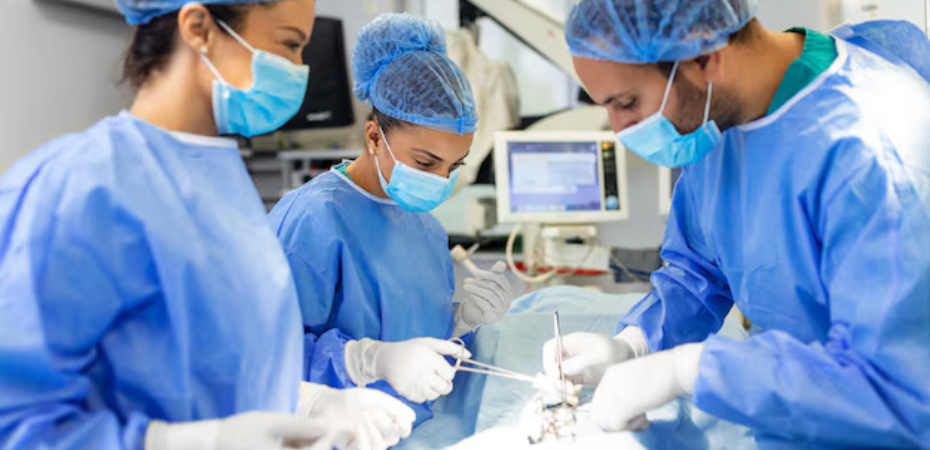
Microsurgical techniques in neurosurgery involve the use of high-powered operating microscopes and ultra-fine surgical instruments to perform highly delicate procedures on the brain and spine. This approach allows surgeons to work with extreme precision in areas where even a millimeter of error can affect critical functions such as movement, sensation, speech, or coordination.
These techniques are a cornerstone of modern neurosurgery, enabling safer treatment of complex neurological conditions while preserving healthy tissue as much as possible.
How Microsurgery Works
A specialized operating microscope provides magnified, high-resolution visualization of deep and narrow surgical fields.
Surgeons use fine, precision instruments designed for delicate dissection and repair.
Advanced lighting and magnification systems enhance visibility of tiny blood vessels, nerves, and brain or spinal structures.
Continuous real-time observation allows controlled and accurate surgical movements.
This combination enables surgeons to operate in areas that are otherwise difficult or risky to access.
Applications
Brain tumor removal
Aneurysm clipping or vascular repair
Spinal cord and nerve decompression
Treatment of complex spinal disc herniations
Epilepsy surgery in selected cases
Reconstruction of delicate neural structures
Key Benefits
Extreme precision:
Allows safe handling of very small and delicate structures.Improved safety:
Reduces risk of damage to critical nerves and blood vessels.Better preservation of function:
Helps maintain neurological abilities such as movement, sensation, and speech.Smaller surgical impact:
Minimizes unnecessary tissue disruption.Enhanced surgical outcomes:
Improves success rates in complex brain and spine procedures.
Recovery & Outcomes
Reduced surgical trauma and bleeding
Lower risk of neurological complications
Faster and smoother recovery in many cases
Improved functional outcomes depending on condition severity
More accurate and complete treatment of lesions
Why Microsurgery Is Important
Microsurgical techniques represent a major advancement in neurosurgery, making it possible to treat conditions that were once considered extremely high-risk or inoperable. By combining magnification technology with refined surgical skills, surgeons can perform highly precise procedures while minimizing harm to surrounding healthy tissues.
This results in safer surgeries, improved neurological protection, and better long-term outcomes for patients with complex brain and spine disorders.