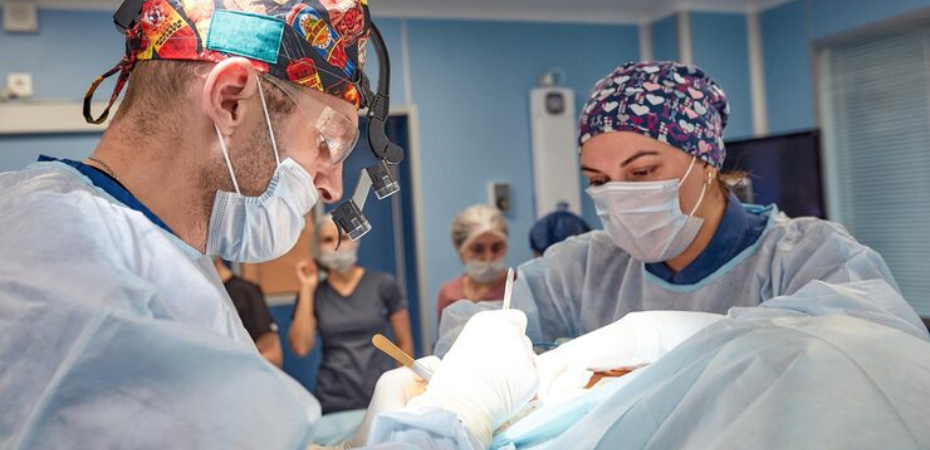
Brain hemorrhage and stroke are critical neurological emergencies that require immediate medical attention and specialized neurosurgical care. A brain hemorrhage occurs when a blood vessel inside the brain ruptures, leading to bleeding within or around the brain tissue. This bleeding can rapidly increase pressure inside the skull, damage delicate brain structures, and become life-threatening if not treated urgently.
Dr. Gaurav Bansal provides advanced emergency management and surgical treatment for brain hemorrhage and stroke-related conditions using modern neuroimaging, microsurgical techniques, and critical neuro-intensive care to improve survival and reduce long-term neurological disability.
Understanding Brain Hemorrhage & Stroke
A stroke occurs when blood supply to the brain is interrupted, either due to:
Bleeding in the brain (Hemorrhagic Stroke), or
Blockage of blood flow (Ischemic Stroke)
Hemorrhagic strokes are particularly dangerous because accumulating blood compresses the brain tissue and increases intracranial pressure. Immediate intervention is often necessary to prevent irreversible brain damage.
Common Causes of Brain Hemorrhage
Brain bleeding can occur due to several medical conditions, including:
High blood pressure (hypertension)
Ruptured brain aneurysm
Head injury or trauma
Arteriovenous malformations (AVMs)
Blood clotting disorders
Brain tumors
Blood-thinning medications
Ischemic stroke converting into hemorrhage
Symptoms of Brain Hemorrhage or Stroke
Patients may experience sudden neurological symptoms such as:
Sudden severe headache
Weakness or numbness on one side of the body
Difficulty speaking or understanding speech
Loss of consciousness
Facial drooping
Vision disturbances
Seizures
Vomiting or nausea
Loss of balance or coordination
Confusion or altered mental status
These symptoms require emergency medical evaluation and immediate neurological assessment.
Conditions Treated
Dr. Gaurav Bansal manages a wide range of hemorrhagic and stroke-related neurosurgical conditions, including:
Intracerebral Hemorrhage
Bleeding directly within the brain tissue that can cause swelling and pressure buildup.
Subarachnoid Hemorrhage
Bleeding around the brain, commonly due to ruptured aneurysms, often associated with sudden severe headache and risk of re-bleeding.
Subdural & Epidural Hematoma
Blood collection between the brain and skull, frequently resulting from trauma and requiring urgent surgical evacuation.
Brain Aneurysms
Weak or ballooned blood vessels in the brain that may rupture and cause life-threatening bleeding.
Stroke-Related Brain Swelling
Severe strokes can cause swelling and increased intracranial pressure requiring decompression surgery.
Hydrocephalus Following Hemorrhage
Accumulation of cerebrospinal fluid (CSF) due to blockage caused by bleeding.
Advanced Diagnostic Evaluation
Rapid and accurate diagnosis is essential in brain hemorrhage and stroke management.
Diagnostic Investigations Include:
Emergency CT Scan Brain
MRI Brain
CT Angiography
Digital Subtraction Angiography (DSA)
MR Angiography
Neurological examination
Blood pressure and clotting evaluation
ICU-based neurological monitoring
These tests help identify:
Source of bleeding
Size and location of hemorrhage
Presence of aneurysms or vascular malformations
Brain swelling and pressure changes
Treatment Approach
1. Emergency Stabilization
The initial priority is stabilizing the patient’s airway, breathing, circulation, and neurological status while controlling blood pressure and preventing further bleeding.
2. Hematoma Evacuation (Blood Clot Removal)
In cases of significant bleeding, surgery may be performed to remove accumulated blood and reduce pressure on the brain. This procedure helps preserve surrounding brain tissue and improve neurological outcomes.
3. Aneurysm Clipping or Coiling Support
For ruptured brain aneurysms, advanced procedures are used to prevent re-bleeding:
Aneurysm clipping: Microsurgical placement of a clip across the aneurysm neck
Endovascular coiling support: Minimally invasive treatment performed in coordination with interventional specialists
4. Decompression Surgery
When severe brain swelling causes dangerous pressure buildup, decompressive surgery may be required. A portion of the skull may temporarily be removed to allow the brain to swell safely and prevent fatal compression.
5. Stroke-Related Neurosurgical Intervention
Certain severe strokes may require surgical procedures to:
Relieve brain swelling
Restore CSF flow
Remove pressure-causing blood collections
Prevent secondary brain injury
6. Neuro-ICU Monitoring & Critical Care
Patients are closely monitored in a specialized neurocritical care unit with:
Continuous neurological assessment
Intracranial pressure monitoring
Ventilator support when needed
Seizure prevention
Blood pressure and fluid management
Benefits of Early Surgical Intervention
Life-saving emergency treatment
Rapid relief of pressure on the brain
Prevention of permanent neurological damage
Reduced risk of paralysis and disability
Better preservation of speech and movement
Improved recovery and rehabilitation outcomes
Reduced risk of recurrent bleeding
Enhanced long-term quality of life
Rehabilitation After Brain Hemorrhage or Stroke
Recovery often continues beyond surgery and may involve comprehensive rehabilitation programs tailored to the patient’s neurological deficits.
Rehabilitation Support May Include:
Physiotherapy
Speech and language therapy
Occupational therapy
Cognitive rehabilitation
Nutritional and psychological support
Long-term neurological follow-up
Early rehabilitation significantly improves functional independence and recovery potential.
Why Choose Dr. Gaurav Bansal for Brain Hemorrhage & Stroke Surgery?
Expertise in emergency neurosurgical procedures
Advanced management of hemorrhagic stroke and aneurysms
Comprehensive neurocritical care support
Rapid diagnosis and intervention protocols
Patient-centered multidisciplinary treatment approach
Focus on reducing disability and improving recovery
Outcome Goals
Life-saving emergency care
Prevention of permanent neurological disability
Maximum preservation of brain function
Improved recovery and long-term neurological outcomes
Note
User-provided details used: Brain Hemorrhage & Stroke Surgery topic, management points, and outcome goals.
Expanded by AI: Additional medical explanations, symptoms, conditions treated, diagnostic methods, surgical procedures, ICU care, rehabilitation, and detailed professional formatting.