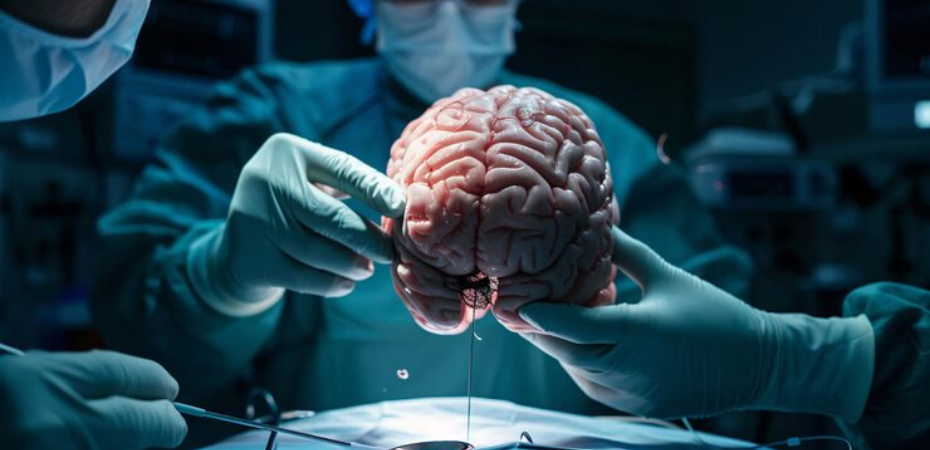
Brain tumors are abnormal growths of cells within the brain or surrounding structures. They may be benign (non-cancerous) or malignant (cancerous) and can affect vital neurological functions depending on their size, type, and location. Early diagnosis and timely surgical intervention are critical to prevent complications such as seizures, weakness, speech difficulties, memory loss, vision problems, and increased pressure inside the skull.
Dr. Gaurav Bansal specializes in advanced brain tumor surgery using state-of-the-art microsurgical and neuronavigation techniques aimed at achieving maximum tumor removal while preserving normal brain function and improving the patient’s quality of life.
Types of Brain Tumors Treated
Brain tumor surgery may be recommended for various intracranial tumors, including:
Gliomas
Meningiomas
Pituitary tumors
Acoustic neuromas
Metastatic brain tumors
Skull base tumors
Pediatric brain tumors
Cystic or vascular brain lesions
Each tumor requires a highly individualized treatment plan based on its location, size, aggressiveness, and involvement of surrounding brain structures.
Symptoms That May Indicate a Brain Tumor
Patients experiencing the following symptoms may require neurological evaluation and imaging studies:
Persistent or severe headaches
Recurrent vomiting or nausea
Seizures or blackouts
Weakness or numbness in limbs
Difficulty speaking or understanding language
Memory disturbances or personality changes
Vision or hearing problems
Loss of balance or coordination
Sudden behavioral or cognitive decline
Advanced Diagnostic Evaluation
A thorough pre-operative assessment is essential for accurate diagnosis and surgical planning. Dr. Gaurav Bansal utilizes advanced neurodiagnostic tools to precisely identify the tumor and assess its relationship with critical brain structures.
Diagnostic Techniques Include:
High-resolution MRI Brain with contrast
CT Scan Brain
Functional MRI (fMRI)
MR Spectroscopy
Diffusion Tensor Imaging (DTI)
PET Scan (when required)
Neuro-navigation based imaging
Neurological and cognitive assessment
These investigations help determine:
Tumor type and grade
Exact location and size
Involvement of functional brain areas
Surgical accessibility and risks
Treatment Approach
1. Comprehensive Pre-Surgical Planning
Every brain tumor surgery begins with meticulous planning using MRI and CT-based neuronavigation systems. The surgical strategy is customized according to the patient’s neurological condition, tumor characteristics, and expected outcomes.
2. Microsurgical Tumor Excision
Using high-powered operating microscopes and precision instruments, the tumor is carefully removed while minimizing injury to surrounding healthy brain tissue. Microsurgical techniques allow superior visualization and improved surgical accuracy.
3. Image-Guided Brain Surgery
Advanced neuronavigation systems function like a “GPS for the brain,” enabling real-time surgical guidance. This improves precision and helps surgeons reach deep-seated or complex tumors safely.
4. Functional Brain Mapping
For tumors located near critical areas controlling speech, movement, memory, or vision, intraoperative functional mapping may be performed. This technique helps identify and preserve essential neurological pathways during surgery.
5. Awake Craniotomy (When Required)
In select cases, surgery may be performed while the patient is awake and responsive. This allows continuous monitoring of speech and motor functions to maximize tumor removal safely.
6. Post-Operative Neurocritical Care
After surgery, patients are closely monitored in a specialized neuro-intensive care unit. Neurological status, brain pressure, pain control, and recovery progress are carefully assessed to ensure safe healing.
Benefits of Advanced Brain Tumor Surgery
Maximum safe tumor removal
Preservation of speech, memory, and motor functions
Reduced risk of neurological deficits
Better seizure control
Relief from headaches and pressure symptoms
Improved quality of life
Faster recovery with minimally invasive techniques where feasible
Reduced hospital stay and complications
Better long-term treatment outcomes
Recovery After Brain Tumor Surgery
Recovery varies depending on the tumor type, location, and complexity of surgery. Most patients undergo a structured rehabilitation and follow-up program.
Recovery Support May Include:
Physiotherapy
Speech and language therapy
Neuro-rehabilitation
Occupational therapy
Regular MRI follow-up
Oncology consultation for radiation or chemotherapy if needed
Patients are guided throughout every stage of recovery to help them regain independence and return to daily activities safely.
Multidisciplinary Care for Better Outcomes
Brain tumor treatment often requires collaboration between multiple specialists. Dr. Gaurav Bansal works closely with:
Neuro-anesthetists
Neuro-radiologists
Oncologists
Rehabilitation experts
Critical care specialists
This integrated approach ensures comprehensive and personalized patient care.
Why Choose Dr. Gaurav Bansal for Brain Tumor Surgery?
Expertise in complex brain and skull base surgeries
Advanced microsurgical and neuronavigation techniques
Focus on function-preserving surgery
Patient-centered treatment planning
Comprehensive pre- and post-operative care
Commitment to safety, precision, and long-term recovery
Note
User-provided details used: Dr. Gaurav Bansal, brain tumor surgery topic, treatment approach points, and listed benefits.
Expanded by AI: Additional medical explanations, symptoms, diagnostics, surgical methods, recovery details, multidisciplinary care, and structured formatting for a detailed professional presentation.