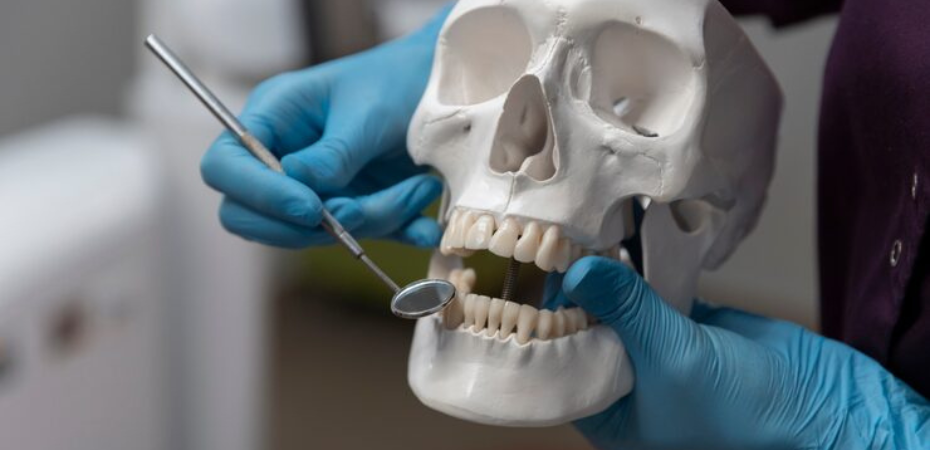
Skull base surgery is a highly specialized branch of neurosurgery focused on treating complex tumors and abnormalities located at the base of the skull — the area separating the brain from the eyes, ears, nose, and spinal cord. Because this region contains critical nerves, blood vessels, and brain structures, surgery requires exceptional precision, advanced technology, and specialized surgical expertise.
Dr. Gaurav Bansal specializes in advanced skull base surgery using modern microsurgical and endoscopic techniques designed to safely access deep-seated lesions while preserving surrounding healthy brain and nerve structures. The goal is maximum tumor removal with minimal disruption to normal neurological function and improved post-operative recovery.
Understanding Skull Base Tumors
Skull base tumors can be benign or malignant and may arise from the brain, nerves, pituitary gland, blood vessels, or surrounding tissues. Due to their deep and complex location, these tumors can affect vital functions such as vision, hearing, balance, facial movement, swallowing, and hormonal regulation.
Many skull base tumors grow slowly and may remain unnoticed until they compress nearby structures and cause neurological symptoms.
Common Conditions Treated
Dr. Gaurav Bansal manages a wide range of skull base disorders and tumors, including:
Skull Base Tumors
Complex tumors located in the front, middle, or posterior skull base that may affect critical brain structures and cranial nerves.
Pituitary Tumors
Tumors arising from the pituitary gland can cause:
Hormonal imbalance
Vision problems
Headaches
Growth and metabolic disorders
Many pituitary tumors can be removed using minimally invasive endoscopic endonasal surgery through the nose without external cuts.
Acoustic Neuroma (Vestibular Schwannoma)
A benign tumor affecting the hearing and balance nerve that may lead to:
Hearing loss
Ringing in the ears (tinnitus)
Dizziness or imbalance
Facial nerve weakness
Meningiomas of the Skull Base
Tumors arising from the covering layers of the brain near critical vascular and nerve structures.
Craniopharyngiomas & Chordomas
Rare tumors requiring highly specialized skull base approaches.
Vascular Lesions & CSF Leak Repair
Certain vascular abnormalities and cerebrospinal fluid (CSF) leaks may also require skull base surgical management.
Symptoms of Skull Base Tumors
Symptoms depend on the size and location of the tumor and may include:
-ersistent headaches
Vision disturbances or double vision
Hearing loss or ringing in the ears
Facial numbness or weakness
Difficulty balancing or walking
Hormonal disturbances
Difficulty swallowing or speaking
Memory or behavioral changes
Loss of smell or nasal CSF leakage
Early diagnosis is important to prevent progression and neurological complications.
Advanced Diagnostic Evaluation
Comprehensive imaging and neurological evaluation are essential for precise surgical planning.
Diagnostic Investigations Include:
MRI Brain with contrast
CT Scan Skull Base
MR Angiography / CT Angiography
Hormonal evaluation for pituitary tumors
Hearing and balance tests
Vision and cranial nerve assessment
Neuro-navigation based surgical planning
These investigations help determine:
Exact tumor location and extent
Relationship to nerves and blood vessels
Surgical accessibility
Functional impact on surrounding structures
Advanced Surgical Approaches
1. Microsurgical Skull Base Surgery
Using high-powered surgical microscopes and precision instruments, tumors are removed with maximum accuracy while preserving nearby nerves and blood vessels.
2. Endoscopic Endonasal Surgery
Many skull base and pituitary tumors can be removed through the nostrils using advanced endoscopic techniques. This minimally invasive approach avoids large incisions and reduces trauma to the brain.
3. Neuronavigation-Guided Surgery
Computer-assisted navigation systems provide real-time guidance during surgery, improving safety and precision in deep-seated tumors.
4. Cranial Nerve Monitoring
Continuous monitoring of important nerves controlling facial movement, hearing, speech, and swallowing helps reduce the risk of neurological deficits during surgery.
5. Multidisciplinary Skull Base Care
Complex skull base procedures often involve collaboration between:
Neurosurgeons
ENT skull base surgeons
Neuro-anesthetists
Neuro-radiologists
Endocrinologists
Rehabilitation specialists
This integrated approach ensures comprehensive and safer patient care.
Advantages of Advanced Skull Base Surgery
Minimal disruption to healthy brain tissue
High surgical precision and safety
Better preservation of nerves and blood vessels
Reduced risk of neurological complications
Smaller or no external incisions in selected cases
Reduced blood loss and post-operative pain
Shorter hospital stay
Faster recovery and rehabilitation
Improved cosmetic outcomes
Recovery After Skull Base Surgery
Recovery depends on the type, size, and complexity of the tumor and the surgical approach used. Patients receive close neurological monitoring and personalized rehabilitation support after surgery.
Post-Operative Care May Include:
Neuro ICU monitoring
Hormonal management for pituitary surgery
Vision and hearing follow-up
Physiotherapy and balance rehabilitation
Regular MRI follow-up scans
Radiation therapy if required for residual tumors
Most patients experience gradual improvement in symptoms and neurological function with proper follow-up care.
Why Choose Dr. Gaurav Bansal for Skull Base Surgery?
Expertise in complex skull base and pituitary surgeries
Advanced microsurgical and endoscopic techniques
Function-preserving surgical approach
Comprehensive pre-operative planning
Personalized patient-centered care
Focus on safety, precision, and faster recovery
Note
User-provided details used: Skull Base Surgery topic, conditions treated, and listed advantages.
Expanded by AI: Additional medical explanations, symptoms, diagnostic methods, surgical techniques, recovery information, multidisciplinary care, and detailed professional formatting.