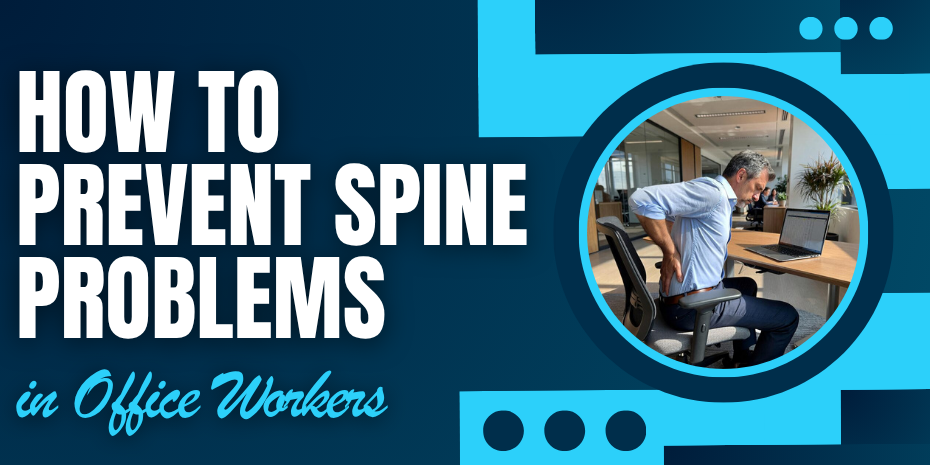
Back pain is one of the most common health problems in today’s fast-paced lifestyle, affecting people of all age groups — from young adults working long hours at desks to elderly individuals dealing with age-related spinal degeneration. Poor posture, prolonged sitting, lack of exercise, obesity, injuries, and degenerative changes in the spine are some of the major causes behind persistent back and neck pain. In many cases, conservative treatments such as medicines, physiotherapy, lifestyle modifications, and injections can provide relief. However, when symptoms continue to worsen or interfere with daily activities, advanced surgical solutions may become necessary. Fortunately, modern medical advancements have introduced safer, more precise, and minimally invasive treatment options, one of the most effective being Endoscopic Spine Surgery.
🔹 What is Endoscopic Spine Surgery?
Endoscopic Spine Surgery is an advanced minimally invasive spinal procedure performed using a high-definition camera called an endoscope along with specialized surgical instruments. Unlike traditional open spine surgery, this technique requires only tiny incisions, through which the surgeon can access and treat the affected area of the spine with exceptional precision. The endoscope provides a magnified and clear view of the spinal structures, allowing the surgeon to remove damaged tissue or relieve pressure on nerves while preserving healthy muscles and surrounding tissues. Because of the minimal tissue damage involved, patients usually experience less pain, fewer complications, and a much quicker recovery compared to conventional surgery.
🔹 Conditions Treated with Endoscopic Spine Surgery
This modern technique is highly effective in treating a wide range of spinal disorders, including:
• Slip Disc (Herniated Disc): When the soft inner portion of a spinal disc bulges out and compresses nearby nerves, causing severe pain, numbness, or weakness.
• Sciatica: Compression or irritation of the sciatic nerve leading to radiating pain from the lower back to the legs.
• Spinal Stenosis: Narrowing of the spinal canal that puts pressure on nerves, often causing pain, tingling, or difficulty walking.
• Degenerative Spine Conditions: Age-related wear and tear affecting the discs, joints, and vertebrae of the spine.
• Chronic Back and Neck Pain: Persistent pain that does not improve with medications or physiotherapy.
• Nerve Compression Disorders: Conditions causing weakness, numbness, or reduced mobility due to pinched nerves.
🔹 Benefits of Endoscopic Spine Surgery
One of the biggest advantages of this procedure is that it is designed to minimize trauma to the body while maximizing surgical precision and patient comfort.
✔ Smaller Incisions: Tiny cuts lead to minimal scarring and better cosmetic results.
✔ Less Postoperative Pain: Reduced muscle and tissue damage means less discomfort after surgery.
✔ Faster Recovery: Most patients can resume normal activities much sooner than with traditional surgery.
✔ Short Hospital Stay: Many patients are discharged within 24–48 hours, and some procedures may even be done as day-care surgeries.
✔ Reduced Blood Loss and Infection Risk: Minimally invasive techniques lower the chances of surgical complications.
✔ Early Return to Work and Daily Activities: Patients can often return to routine life, office work, and light physical activities in a shorter time.
✔ Improved Mobility and Quality of Life: Relief from nerve compression helps patients move freely and comfortably again.
🔹 Advanced Techniques: Unilateral Biportal Endoscopic (UBE) Surgery
Among the latest innovations in minimally invasive spine care is Unilateral Biportal Endoscopic (UBE) Surgery. This cutting-edge technique uses two small portals — one for the camera and another for surgical instruments — allowing greater flexibility and precision during the procedure. UBE surgery provides better visualization of spinal structures and enables surgeons to effectively treat complex spinal conditions while preserving normal anatomy. Because of its accuracy and minimal invasiveness, patients often experience excellent clinical outcomes, faster rehabilitation, and improved long-term comfort.
🔹 Why Early Consultation is Important
Many people ignore back pain in its early stages, assuming it will improve on its own. However, persistent or worsening symptoms may indicate an underlying spinal condition that requires timely medical attention. Delaying treatment can sometimes lead to nerve damage, weakness, or long-term mobility issues.
🔹 When Should You See a Spine Specialist?
It is important to consult a spine specialist if you experience:
• Back pain lasting for several weeks
• Pain radiating to the legs or arms
• Numbness, tingling, or weakness in the limbs
• Difficulty walking or standing for long periods
• Pain that interferes with sleep or daily activities
• Loss of balance or reduced mobility
• Symptoms not improving with medications or physiotherapy
Early diagnosis and timely treatment can help prevent complications and improve recovery outcomes. With modern minimally invasive solutions like Endoscopic Spine Surgery, patients today can achieve effective pain relief, quicker healing, and a faster return to a healthy and active lifestyle.