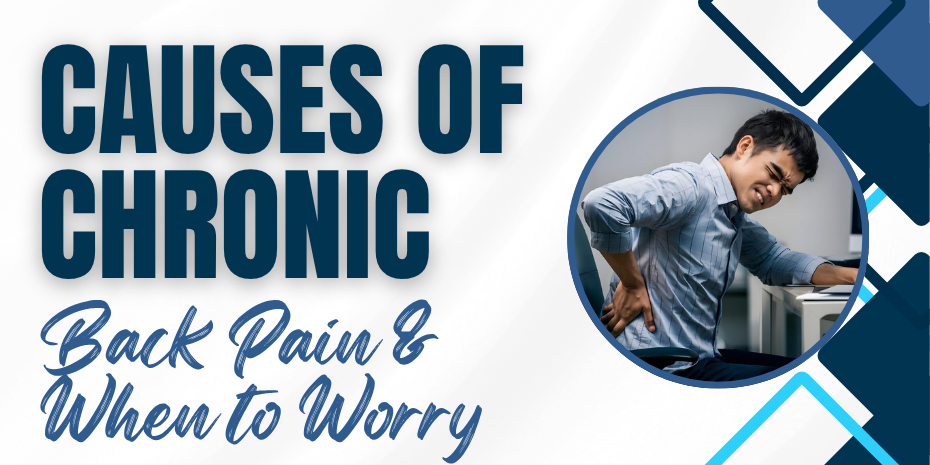
Not all back pain requires surgery — in fact, many cases can be successfully managed with medications, physiotherapy, exercise, posture correction, and lifestyle changes. However, certain symptoms should never be ignored, as they may indicate serious spinal or nerve-related problems. Understanding the warning signs and seeking timely medical advice can help prevent long-term complications and improve overall recovery outcomes.
🔹 Common Symptoms of Spine Problems
Back and neck pain can develop gradually or suddenly, depending on the underlying cause. Some of the most common symptoms include:
• Persistent Back or Neck Pain: Pain that continues for weeks or repeatedly returns despite rest or treatment.
• Pain Radiating to Arms or Legs: Nerve compression in the spine can cause pain that travels down the arms or legs, commonly seen in conditions like sciatica or cervical radiculopathy.
• Numbness or Tingling Sensation: A “pins and needles” feeling in the limbs may indicate pressure on spinal nerves.
• Weakness in Arms or Legs: Difficulty lifting objects, climbing stairs, or reduced grip strength can be signs of nerve involvement.
• Difficulty Walking or Maintaining Balance: Spinal cord or nerve compression may affect coordination and stability, making movement difficult.
• Muscle Stiffness and Reduced Mobility: Many patients experience limited flexibility and discomfort while bending, standing, or sitting for long periods.
🔹 Red Flag Symptoms 🚨
Certain symptoms may suggest a serious spinal emergency and require immediate medical attention. These include:
• Loss of Bladder or Bowel Control: This can be a sign of severe nerve compression, such as Cauda Equina Syndrome, which requires urgent treatment.
• Severe Trauma or Injury: Falls, accidents, or sports injuries causing sudden back pain should always be evaluated promptly.
• Progressive Weakness: Increasing weakness in the limbs may indicate worsening nerve damage.
• Sudden Numbness Around the Groin or Legs: This may be associated with serious spinal nerve compression.
• Unexplained Weight Loss or Fever with Back Pain: In rare cases, infections or tumors may present with these symptoms.
Ignoring these warning signs can lead to permanent nerve damage or long-term disability, making early diagnosis extremely important.
🔹 When is Spine Surgery Recommended?
Doctors usually recommend surgery only after conservative treatments have failed to provide adequate relief. The decision for surgery depends on the severity of symptoms, imaging findings, and the patient’s overall quality of life.
Surgery may be advised when:
• Medications and Physiotherapy Fail: Persistent symptoms despite weeks or months of non-surgical treatment.
• Pain Becomes Chronic and Disabling: Severe pain affecting sleep, work, mobility, or daily activities.
• Nerve Compression is Severe: Significant pressure on nerves causing weakness, numbness, or loss of function.
• Spinal Instability or Structural Problems Exist: Conditions such as severe disc prolapse, spinal stenosis, or deformities may require surgical correction.
• Progressive Neurological Symptoms Develop: Worsening weakness or difficulty walking may indicate the need for urgent intervention.
🔹 Modern Surgical Options
Advancements in spine surgery have transformed patient care significantly. Today, modern techniques such as Minimally Invasive Spine Surgery (MISS) and Endoscopic Spine Surgery allow surgeons to treat spinal conditions with greater precision and less tissue damage compared to traditional open surgery.
These advanced procedures offer several benefits, including:
✔ Smaller incisions and minimal scarring
✔ Reduced blood loss and postoperative pain
✔ Faster recovery and shorter hospital stay
✔ Lower risk of infection and complications
✔ Early return to work and daily activities
Techniques like Unilateral Biportal Endoscopic (UBE) Surgery further improve visualization and surgical accuracy, helping patients recover more comfortably and efficiently.
🔹 Why Early Diagnosis Matters
Early diagnosis and timely treatment play a crucial role in preventing complications and achieving better long-term outcomes. Many spinal conditions worsen gradually over time, and delaying treatment can lead to chronic pain, nerve damage, reduced mobility, and decreased quality of life.
Seeking medical evaluation early can help:
• Identify the exact cause of pain
• Prevent progression of nerve compression
• Improve treatment success rates
• Reduce the need for extensive surgery
• Ensure faster and smoother recovery
If your back or neck pain persists, radiates to the limbs, or affects your daily activities, consulting a spine specialist at the right time can make a significant difference in your recovery and overall spinal health.