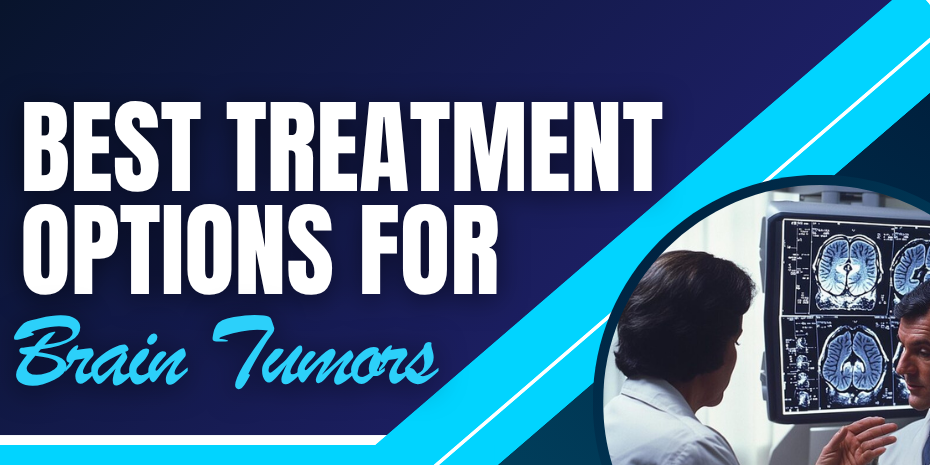
A brain tumor diagnosis can sound overwhelming and frightening, but with early detection, accurate diagnosis, and modern treatment options, many patients can achieve successful outcomes and improved quality of life. Advances in neurosurgery, imaging technology, and targeted therapies have made brain tumor treatment safer, more precise, and more effective than ever before. Recognizing the warning signs early and seeking timely medical attention can play a crucial role in improving recovery and long-term prognosis.
🔹 What is a Brain Tumor?
A brain tumor is an abnormal growth of cells within the brain or surrounding structures. Brain tumors can be classified as:
• Benign (Non-Cancerous): These tumors usually grow slowly and may not spread to other parts of the body, but they can still cause serious symptoms by pressing on important brain structures.
• Malignant (Cancerous): These tumors are more aggressive, grow rapidly, and may invade nearby brain tissue.
Brain tumors may originate in the brain itself (primary brain tumors) or spread from cancers elsewhere in the body (secondary or metastatic tumors). The impact of a tumor depends on its size, type, and location within the brain.
🔹 Common Early Symptoms of a Brain Tumor
Symptoms of a brain tumor can vary widely depending on the area of the brain affected. In many cases, symptoms develop gradually and may initially be mistaken for common neurological or health problems.
Some important warning signs include:
• Frequent or Persistent Headaches: Especially headaches that worsen over time or are more severe in the morning.
• Seizures: Sudden episodes of abnormal movements, confusion, or loss of consciousness in someone with no prior history of seizures.
• Vision Problems: Blurred vision, double vision, or partial loss of vision due to pressure on visual pathways.
• Difficulty in Speech or Communication: Trouble speaking, understanding language, or finding words.
• Memory and Concentration Issues: Changes in memory, confusion, personality, or difficulty focusing.
• Loss of Balance or Coordination: Difficulty walking, dizziness, or poor coordination may indicate involvement of balance centers in the brain.
• Weakness or Numbness: Weakness in the arms, legs, or one side of the body can occur when certain brain areas are affected.
• Nausea and Vomiting: Particularly when associated with headaches or increased pressure inside the skull.
Because many of these symptoms can also occur in less serious conditions, proper medical evaluation is essential for accurate diagnosis.
🔹 How are Brain Tumors Diagnosed?
Modern diagnostic technology helps doctors accurately identify the presence, size, and location of a brain tumor. Early and precise diagnosis is critical for planning the most effective treatment.
Doctors commonly use:
• MRI (Magnetic Resonance Imaging) Scans: The most detailed imaging method for evaluating brain tumors and surrounding tissues.
• CT (Computed Tomography) Scans: Useful in emergency situations and for detecting bleeding or structural abnormalities.
• Neurological Evaluations: Assessment of vision, reflexes, balance, coordination, speech, and cognitive function.
• Biopsy: In some cases, a tissue sample may be taken to determine the exact type of tumor.
• Advanced Imaging and Functional Mapping: Specialized scans help surgeons identify critical brain areas before surgery.
🔹 Treatment Options for Brain Tumors
Treatment depends on several factors, including the tumor type, size, location, and the patient’s overall health. A multidisciplinary approach involving neurosurgeons, neurologists, oncologists, and radiation specialists is often used.
Common treatment options include:
• Surgery: Often the primary and most effective treatment for many brain tumors. The goal is to safely remove as much of the tumor as possible.
• Radiation Therapy: High-energy radiation is used to destroy tumor cells or prevent further growth.
• Chemotherapy: Medications are used to target and kill cancer cells, especially in malignant tumors.
• Targeted Therapy and Immunotherapy: Advanced treatments designed to specifically attack tumor cells while minimizing damage to healthy tissue.
• Image-Guided Neurosurgery: Modern navigation systems allow highly precise tumor removal with improved safety and accuracy.
🔹 Role of Advanced Neurosurgery
Technological advancements in neurosurgery have revolutionized brain tumor treatment. Today, surgeons can perform highly precise procedures using advanced microscopes, neuronavigation systems, intraoperative imaging, and minimally invasive techniques.
Benefits of modern neurosurgical approaches include:
✔ Greater surgical precision
✔ Maximum tumor removal with minimal damage to healthy brain tissue
✔ Reduced risk of neurological complications
✔ Smaller incisions and faster recovery in selected cases
✔ Improved functional outcomes and quality of life
In many cases, advanced surgical planning and monitoring techniques help preserve critical brain functions such as speech, movement, and memory during surgery.
🔹 Why Early Consultation is Important
Brain tumors can sometimes progress silently, and delaying treatment may increase the risk of complications. Early diagnosis often allows for more treatment options, better symptom control, and improved long-term outcomes.
You should consult a doctor or neurosurgeon if you experience:
• Persistent or worsening headaches
• New-onset seizures
• Sudden vision or speech problems
• Weakness or numbness in the body
• Unexplained balance or coordination difficulties
• Ongoing memory or personality changes
Timely medical evaluation and expert care can make a significant difference in treatment success and recovery. With modern diagnostic tools and advanced neurosurgical techniques, many brain tumor patients today are able to receive safer treatment and lead healthier, more active lives.